Short-Term Living in Tokyo: Why 3 to 12 Months Is the Sweet Spot
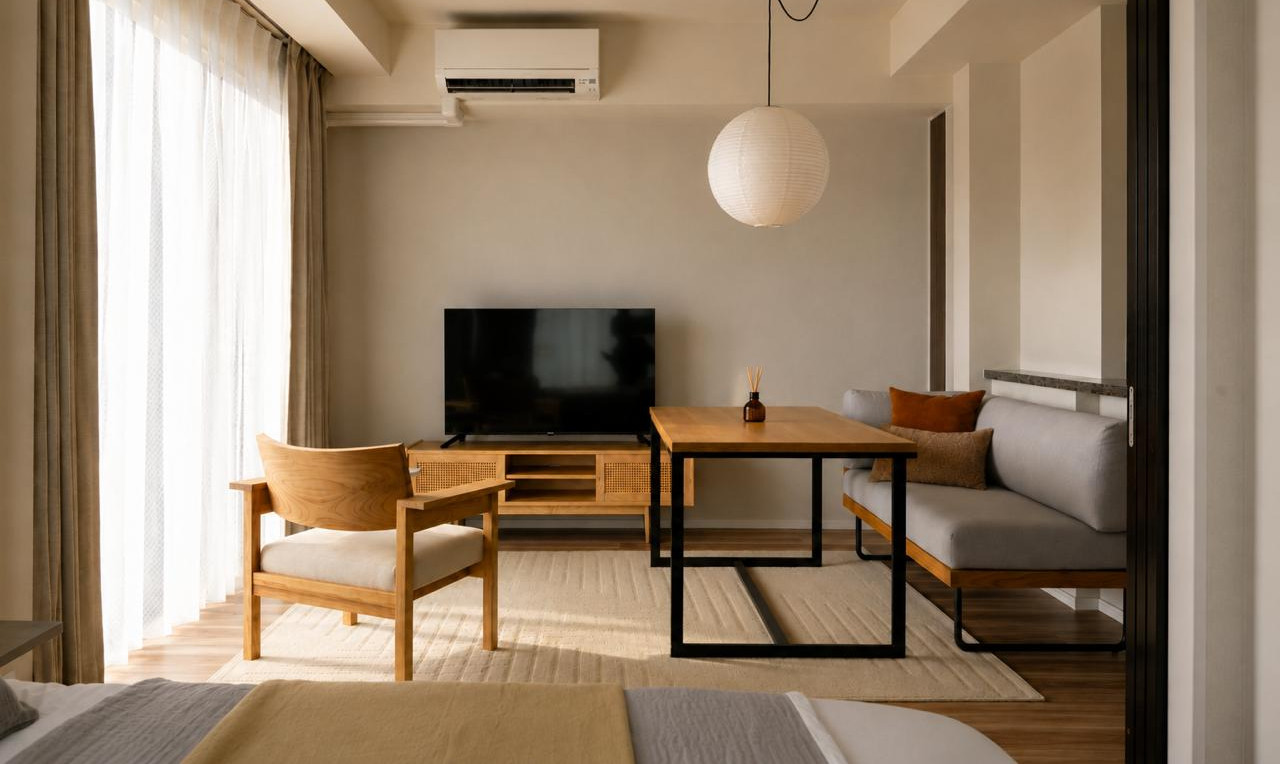
When people talk about short-term stays in Tokyo, they usually mean one of two things. A week in a hotel, or a two-year contract with a local landlord. The gap between those two options is where most people actually want to live, and where the traditional Tokyo rental market falls almost completely short.
Three to twelve months is not a holiday. It is not a relocation with a permanent endpoint in sight. It is something in between, a period of life that requires a real home, a real neighbourhood, and a real routine, without the commitment of a long-term contract that does not match the reality of how people work and move today.
Why traditional rentals do not work for this window
The standard Japanese rental contract runs for two years. That is the baseline. Breaking a lease early typically incurs penalties, and the upfront costs of entering a traditional rental, key money, guarantor fees, agent commissions, security deposits, all assume you are committing to the full term.
For someone arriving in Tokyo for a three-month project, a year-long sabbatical, or an extended family stay, signing a two-year contract is not just inconvenient. It is genuinely not an option. The math does not work and the flexibility is not there.
This is not a niche problem. A growing number of professionals, remote workers, families on international assignments, and people exploring longer stays in Japan are arriving with exactly this timeline in mind. The rental market has not kept pace with how those people actually live.
The hidden cost of going unfurnished
Even if you did manage to secure an unfurnished apartment in Tokyo for a year, the initial outlay would be considerable before you even unpacked a suitcase. Beyond the key money, guarantor fees, and security deposit, you would then need to furnish the entire space from scratch. A bed, sofa, dining table, refrigerator, washing machine, microwave, cookware, curtains, and the dozens of smaller items that make a home functional. In Tokyo, basic furniture and appliance costs for a one-bedroom apartment typically run between ¥300,000 and ¥600,000, and that is before accounting for the time spent sourcing, purchasing, and assembling everything in a new city where you may not speak the language.
At the end of a one-year stay, most of that furniture then needs to be sold, donated, or disposed of, which in Japan comes with its own set of rules, costs, and logistics. A furnished monthly apartment eliminates every single one of those steps. The cost is higher per month than an unfurnished rental, but the total cost of a stay, factoring in setup, furniture, and exit, tells a very different story.
Why a hotel does not work either
The other default option, the hotel, solves the flexibility problem but creates a different set of issues. Hotel rooms in Tokyo are small. The average room runs between 20 and 25 square metres, which is workable for a few nights and exhausting for a few months. There is no kitchen, which means every meal is either eaten out or ordered in. There is no laundry in the room, which means trips to a service or coin laundromat. And there is no sense of place, no neighbourhood, no feeling of living somewhere rather than waiting to leave.
For a stay of three months or more, a hotel is not a home. It is a waiting room.
What makes 3 to 12 months different
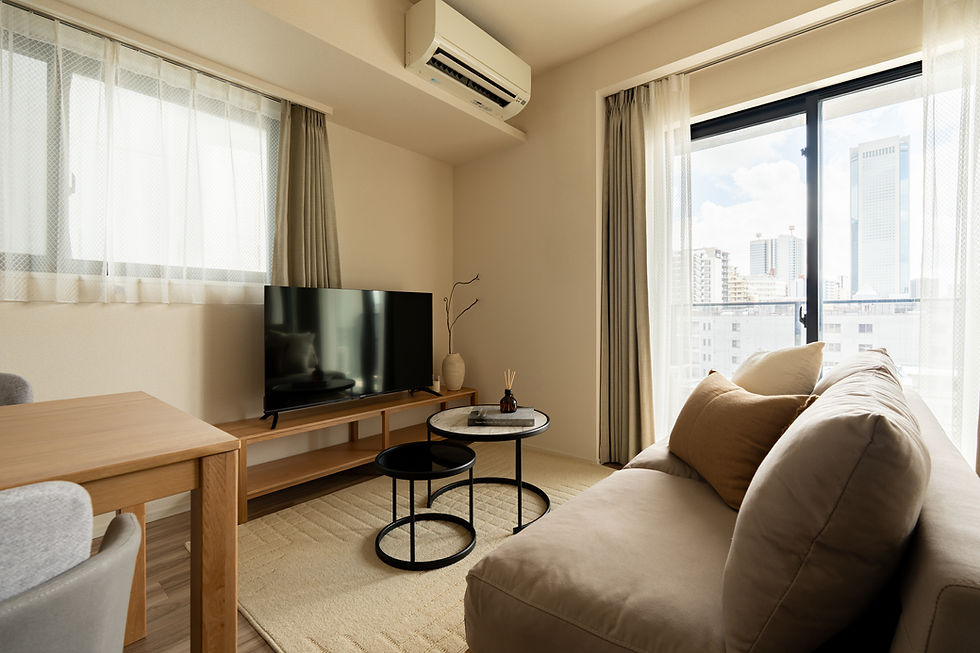
This is a long enough stay to genuinely settle in. To find your local café, the supermarket with the best fish counter, the quiet park where you run in the mornings. To start to understand a neighbourhood rather than observe it. To feel, at some point during the stay, that you actually live in Tokyo.
It is also short enough that locking into a two-year contract with all its associated costs and bureaucratic complexity makes no practical sense. The stay has a natural end point. The housing should match that.
A furnished monthly apartment is the only option that genuinely fits this window. Long enough to feel like a proper home. Flexible enough to end when your plans do.
What to look for in a short-term furnished apartment in Tokyo
Not all furnished apartments are built for this kind of stay. A few things worth checking:
Minimum stay. Some furnished apartments in Tokyo have minimum stays of three or six months. SUMII's minimum is one month, which gives you full flexibility regardless of where your plans land.
What is included in the monthly fee. The most important question. Some apartments quote a base rent and then add utilities, WiFi, and amenity fees separately. The total cost can look very different from the headline number. A single all-in monthly fee is what you want.
Kitchen quality. For a stay of three months or more, the kitchen matters more than almost anything else. A proper stovetop, a full-size refrigerator, and sufficient cookware are not details. They are the difference between a stay that feels sustainable and one that wears you down.
Guarantor requirements. Many furnished apartments in Tokyo still require a guarantor, which is a significant barrier for foreign nationals arriving on a short assignment. SUMII requires no guarantor and the entire process can be handled remotely and in English before you arrive.
Location and neighbourhood quality. A three to twelve month stay in the wrong neighbourhood feels long. In the right one, it goes too quickly. Prioritise areas with good transport links, local shops, green space nearby, and streets that feel genuinely residential rather than transient.
SUMII and the short-term stay
SUMII was built precisely for this window. Furnished apartments available from one month, with flexible terms up to one year, across Tokyo's most liveable neighbourhoods. Everything is included in a single monthly fee, there is no key money, no guarantor, and no agent commission.
Whether you are arriving for three months or twelve, the apartment is ready from day one. Browse available apartments here.


Comments